Wedding Photographer in the Netherlands: Prices & What to Expect
Prices, coverage hours, the Dutch day-guest/evening-guest rhythm, gemeente ceremonies and what belongs in the contract, for couples marrying in the Netherlands.
By the TulipFrame team · · 7 min read
The short answer
Wedding photography through TulipFrame starts from €1500 for full-day coverage, with civil-ceremony-only coverage from €600 and elopements from €750. Across the Dutch market, full-day coverage commonly runs €1,500–€3,500+, depending on hours, season and the photographer. Expect 6–10 hours of coverage, a sneak peek within days and the full edited gallery within roughly 4–10 weeks.
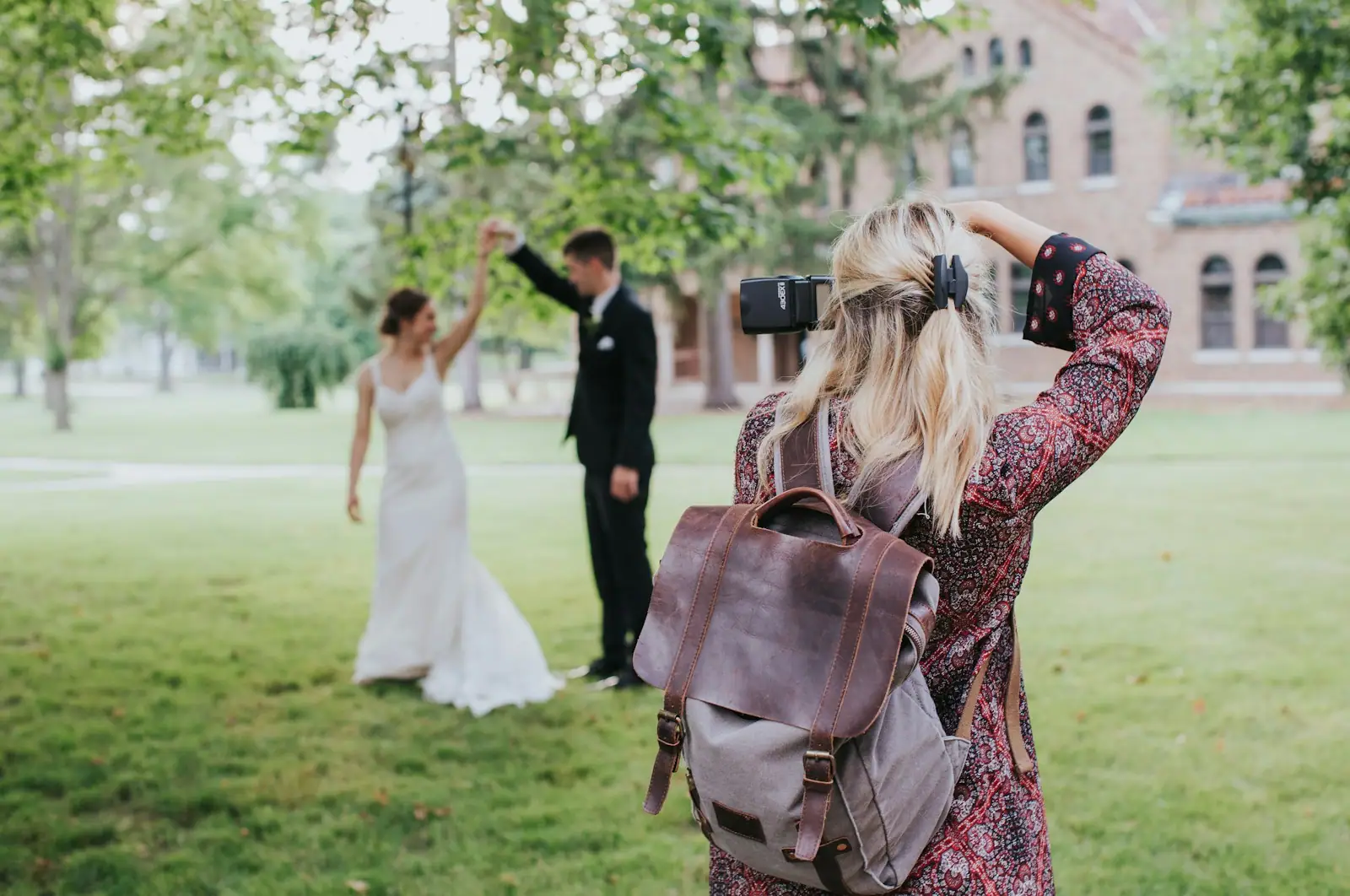
A Dutch wedding has its own rhythm, and a photographer who knows it will plan around it rather than fight it. The legal part is short and happens in front of a municipal registrar, the day is often split between daggasten (day guests) and avondgasten (evening guests), and in June the light lasts until after 22:00. This guide covers what that means for your photography: coverage hours, the first look, the ceremony at the gemeente, delivery times, contracts and what it costs.
What wedding photography costs in the Netherlands
Prices vary more by hours and season than by city. As a rough market guide, hedged because every photographer sets their own rates:
| Coverage | Typical hours | Common market range | TulipFrame starting price |
|---|---|---|---|
| Civil ceremony only (gemeente) | 1–2 hours | €400–€900 | from €600 |
| Elopement or micro-wedding | 2–4 hours | €600–€1,500 | from €750 |
| Reception or evening party only | 2–4 hours | €500–€1,200 | from €600 |
| Full day | 8–10 hours | €1,500–€3,500+ | from €1500 |
| Photo + video team | Full day | €2,500–€5,000+ | from €2000 |
Saturdays between May and September are the most requested dates, so they are the first to go and the least negotiable. A Friday or a weekday wedding in March or October often gives you more choice of photographer. For a fuller breakdown of what pushes a quote up or down, read our guide to wedding photographer costs in the Netherlands.
Two cost lines couples forget: travel (a photographer based in Amsterdam covering a wedding in Maastricht will charge for it) and the evening. If your party runs until 01:00, decide whether you really need the photographer there after the first dance and the first hour of dancing. Most couples don't.
How the civil ceremony works, and what it means for photos
In the Netherlands only the civil ceremony is legally binding. It is performed by a registrar, the trouwambtenaar or BABS (a buitengewoon ambtenaar van de burgerlijke stand, someone appointed for a single day, often a friend or a hired celebrant). You need two to four adult witnesses who sign alongside you.
Where it can take place depends on the municipality:
- The gemeente's own wedding room. In Amsterdam that means the city hall at the Stopera on the Amstel, where ceremonies in the municipal rooms run on weekdays. Many municipalities also offer a free or low-cost short ceremony on fixed weekday slots, with a small number of guests. These are popular and book out months ahead.
- An officially designated wedding venue: castles, estates, restaurants and hotels that the municipality has registered.
- A location of your choice. Many municipalities now allow a vrije locatie, from a beach to your garden, with conditions. Check with your gemeente.
For photography this matters because a gemeente ceremony is short, often 15–30 minutes, and the room may be booked straight after you. There is little time for group photos inside, so plan them outside. At the Stopera, the Amstel riverside, the Blauwbrug and the Magere Brug are a few minutes' walk away. A ceremony at your venue gives you more control over timing and light.
Ask the registrar before the day whether the photographer may move during the ceremony. Most are relaxed about it; a few prefer the photographer to stay at the side or the back.
International couples marrying here
The rules for couples who don't live in the Netherlands change and depend on your nationality and where you live, so treat this as orientation and confirm everything with the official sources: the website of the municipality where you want to marry, Government.nl and NetherlandsWorldwide.nl (the Dutch government's site for people abroad).
At the time of writing, those sources say that at least one partner must live in the Netherlands or hold Dutch nationality to marry here, that you must give notice of your intended marriage (the melding voorgenomen huwelijk) in advance, and that couples living abroad often have to do this through the municipality of The Hague, which forwards it to the municipality where you marry. Official documents such as birth certificates may need legalisation or an apostille and a sworn translation. Allow months, not weeks.
If neither of you qualifies, many international couples do the legal paperwork at home and hold a symbolic ceremony here. Photographically there is no difference: the vows, the rings and the light at the venue look the same. An elopement shoot at a castle garden or on the dunes is also a common choice for couples who want the photos without a full wedding.
A typical Dutch wedding day timeline
This is a summer Saturday with a ceremony at the venue. It is a starting point to adjust, not a rule.
| Time | What happens | Photo notes |
|---|---|---|
| 10:30 | Getting ready, details, dress and suit | Soft window light; tidy the room first |
| 12:30 | First look and couple portraits | 45–60 minutes, before the day warms up |
| 14:00 | Ceremony (20–30 min) | Ask the registrar about movement |
| 14:45 | Toast and felicitaties (guests queue to congratulate you) | Candids, not posed |
| 15:30 | Group photos | Have a list and a family member who knows faces |
| 17:30 | Dinner with day guests | Speeches; photographer eats during the main course |
| 20:00 | Evening guests arrive, first dance | Often the end of coverage for 8–9 hours |
| 21:30 | Golden-hour portraits (June) | 10–15 minutes outside; sunset is around 22:00 in June |
The felicitaties, a receiving line where every guest congratulates the couple, is very Dutch and can take 45 minutes with 120 guests. It yields warm photos, but you can't do portraits during it. Put it on the timeline.
The first look
A first look, seeing each other privately before the ceremony, is common at Dutch weddings, partly because the day is long and the gap between ceremony and dinner is short. It lets you do most portraits while you're fresh and the hair is still in place, and join your guests after the ceremony. If you'd rather keep the moment for the aisle, plan portraits after the ceremony and accept that the felicitaties and group photos will compress them.
Light through the year
In June, golden hour runs late and the evening portraits happen during the party. In December sunset is around 16:30, so a 14:00 ceremony leaves about an hour of daylight for portraits. Winter weddings work, but put the first look and portraits before the ceremony. Whatever the month, plan for rain and wind: a clear umbrella in the car, and an indoor or covered spot for portraits.
Coverage hours: how many do you need?
- 2 hours: the civil ceremony, felicitaties and a short portrait session. Good for a gemeente wedding with lunch afterwards.
- 6 hours: first look through dinner speeches. Misses the getting ready and the party.
- 8–10 hours: the full story, from getting ready to the first dance and some dancing.
Photographers in the Netherlands usually charge by the block or quote a full-day package with an hourly rate for overtime. Put the overtime rate in writing. Guests generally don't want to be photographed eating, so most photographers take their break during dinner and ask for a meal.
Delivery: what to expect and when
Common practice among Dutch wedding photographers:
- Sneak peek: 10–30 images within a few days to two weeks.
- Full gallery: roughly 4–10 weeks, longer at the end of a busy summer.
- Number of images: often 400–900 edited photos for a full day, depending on hours and guest count. Our article on how many photos you get from a photoshoot explains why the numbers vary.
- Format: an online gallery with high-resolution downloads. Albums are usually an extra.
A delivery date is a promise, so ask for it in the contract.
What belongs in the contract
Before you pay a deposit, check that the agreement names:
- The date, start and end times, and locations.
- What's included: hours, second shooter, number of edited images (as a range), delivery method and delivery date.
- The price, whether it includes 21% BTW (VAT), the deposit and when the rest is due.
- Overtime rate, travel costs and whether a meal is expected.
- What happens if the photographer is ill: who replaces them, and how that person is chosen.
- Cancellation and postponement terms, for both sides.
- Image rights: copyright normally stays with the photographer and you receive a licence for personal use. If they want to use your photos in their portfolio or on social media, that should be a separate yes or no.
Our checklist on how to choose a photographer in the Netherlands goes into each of these, with the red flags to look out for.
When to book
For a Saturday between May and September, couples typically book 9–15 months ahead. Weekdays, winter dates and short civil ceremonies can often be arranged within a few months, sometimes weeks. See how far in advance to book a photographer for timelines by type of shoot.
If you're marrying in the capital or around the Maas, our Amsterdam wedding photographer and Rotterdam wedding photographer pages cover local venues and logistics.
Questions
How much does a wedding photographer cost in the Netherlands?
Full-day coverage in the Netherlands commonly runs €1,500–€3,500+, depending on hours, season and the photographer. Through TulipFrame, wedding photography starts from €1500, civil-ceremony-only coverage from €600 and elopements from €750. Your quote depends on the date, hours, location and travel.
Can we get married at Amsterdam city hall and have a photographer there?
Yes. Ceremonies in the municipal wedding rooms at the Stopera take place on weekdays, and photographers are normally allowed in. The free short ceremonies have a limited guest count that includes the photographer, so check the current conditions with the Gemeente Amsterdam when you book.
Can foreigners legally marry in the Netherlands?
According to Government.nl and NetherlandsWorldwide.nl, at least one partner must live in the Netherlands or have Dutch nationality. Rules and document requirements change, so confirm with those sites and the municipality. Many couples marry legally at home and hold a symbolic ceremony here instead.
How many hours of wedding photography do we need?
Two hours covers a civil ceremony, the felicitaties and short portraits. Six hours runs from the first look to the dinner speeches. For the full story, from getting ready to the first dance, book 8–10 hours.
How long until we receive our wedding photos?
Most Dutch wedding photographers send a sneak peek within a few days to two weeks and the full gallery in roughly 4–10 weeks. Ask for the delivery date in writing.
Do we own the copyright to our wedding photos?
Usually not. Under Dutch law, copyright normally stays with the photographer and you receive a licence for personal use: printing, sharing and albums. If you need more, or want to limit how the photographer uses your images, agree it in the contract.