What does restaurant photography cost?
Restaurant photography starts from €250 on TulipFrame for a short session photographing a selection of dishes and the interior before service. Longer shoots add the team, terrace, drinks and atmosphere during service. The final quote varies with the number of dishes, duration, styling, whether you need video, and the usage rights.
People choose where to eat by looking at photos: on Google Maps, on your Instagram, on delivery and booking platforms. Restaurant photography gives you images that match what guests will actually see and eat, which matters as much for reviews as for bookings.
Tell us the type of place, what you need photographed and when you are closed, and we match the request with a photographer who works in hospitality in your city.
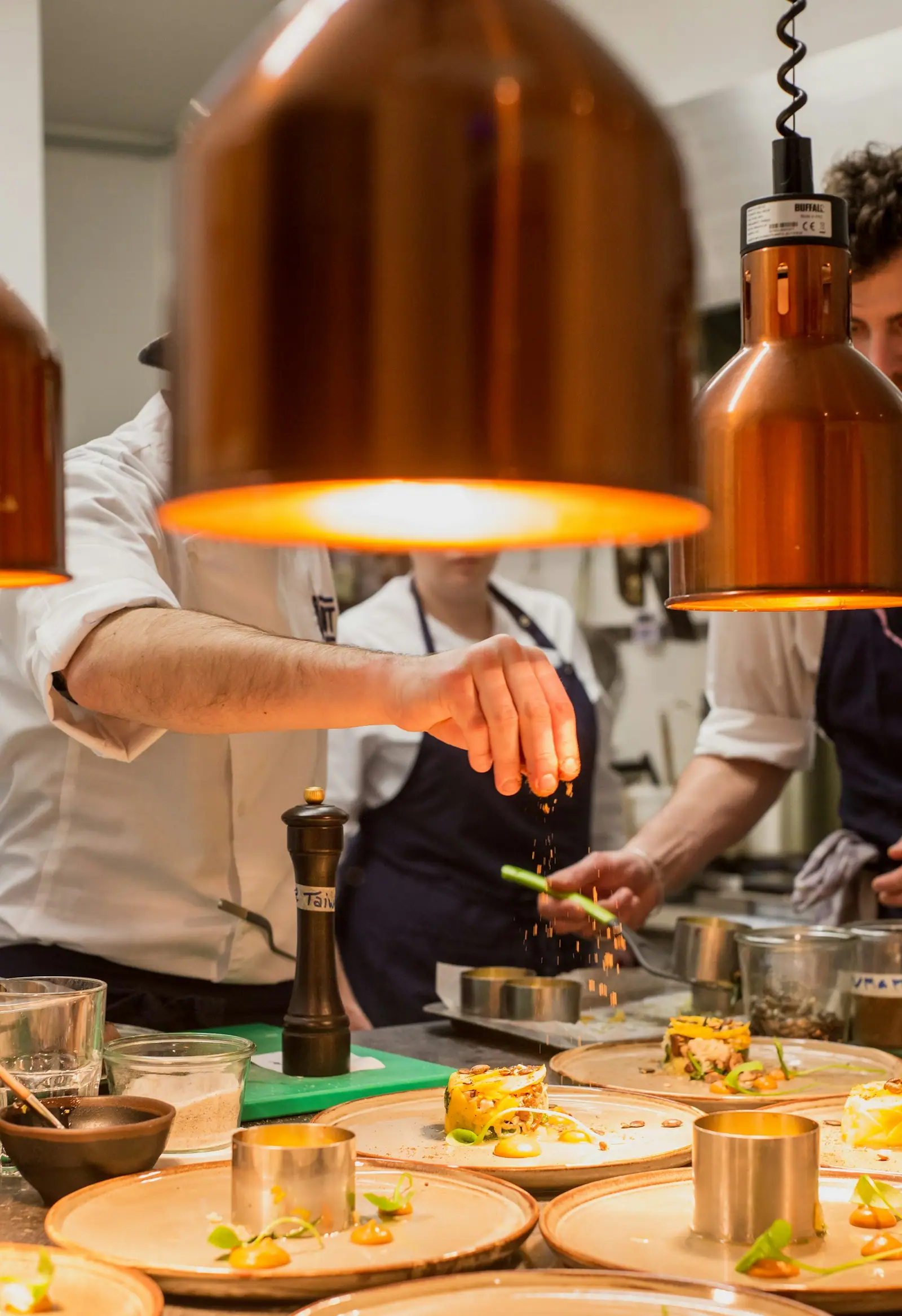
What a restaurant shoot covers
A typical shot list includes:
- Dishes: the signature plates and a representative spread of the menu, each photographed within minutes of plating.
- Drinks: cocktails, wine service, coffee — often at the bar with backlight.
- Interior: the room empty and set, from the angles guests see on arrival.
- Exterior and terrace: the facade and, in summer, the terrace full of light.
- Team: the chef, the kitchen at work, front-of-house.
- Atmosphere: a few images during a real service, with guests' consent.
Most places need a mix of dishes and room; for a new opening, the room and the team usually matter most.
Timing the shoot
The best time is usually the hours before service, when the kitchen has capacity and the light is good. Food photographs best in soft daylight from a window, so a table near the window is the photographer's first request.
A practical schedule for a half-day shoot:
| Time | What |
|---|---|
| 10:30 | Photographer arrives, sets up at a window table |
| 11:00–13:00 | Dishes, one every 8–10 minutes as the kitchen plates them |
| 13:00–13:45 | Interior, bar, exterior |
| 13:45–14:30 | Team portraits, chef at work |
Plate dishes exactly as you serve them; a photo of a dish that looks different on the table leads to disappointed guests. Sauces, herbs and anything that wilts go on at the last moment.
Dutch winter light is short and grey. From November to February, shoot around midday or plan for the photographer's lights.
Where the photos go
Plan crops for each channel before the shoot:
- Google Business Profile: square and landscape images of dishes, interior and exterior. Up-to-date photos help guests know what to expect.
- Booking and delivery platforms: each has its own image rules; check the current requirements for the platforms you use.
- Instagram and TikTok: vertical 4:5 and 9:16 images and short clips.
- Website and menu: wide images with space for text, and consistent dish shots.
Photos of guests during service need consent for use in marketing; a photographer will usually shoot hands and tables rather than recognisable faces unless you arrange permission.
Styling and invoicing
A food stylist is worth it for menus and campaigns, not always for social media. Simple props — linen, cutlery, a hand reaching in — go a long way. Tell the photographer your tableware; if it is part of your identity, it belongs in the frame.
Quotes to businesses are often excluding BTW; ask for an invoice in the company name. Hotels with a restaurant can combine this with hotel photography; for packaged products or sauces sold online, see product photography.
Seasonal menus and keeping photos current
Dutch menus follow the seasons more than most, and outdated photos of dishes that are no longer served frustrate guests. Plan shoots around menu changes:
- Spring: white asparagus season runs from roughly April until late June, and many restaurants build a separate menu around it.
- Summer: terraces open fully; photograph the terrace on a sunny afternoon with guests.
- Autumn: game, mushrooms and the new mussel season (Zeeland mussels are typically available from July into spring).
- Winter: warm interiors, candlelight, the Christmas menu — photographed in November, not December.
A short shoot two to four times a year, one per menu, keeps the Google profile and social feeds current, which is more useful than one big shoot every few years.
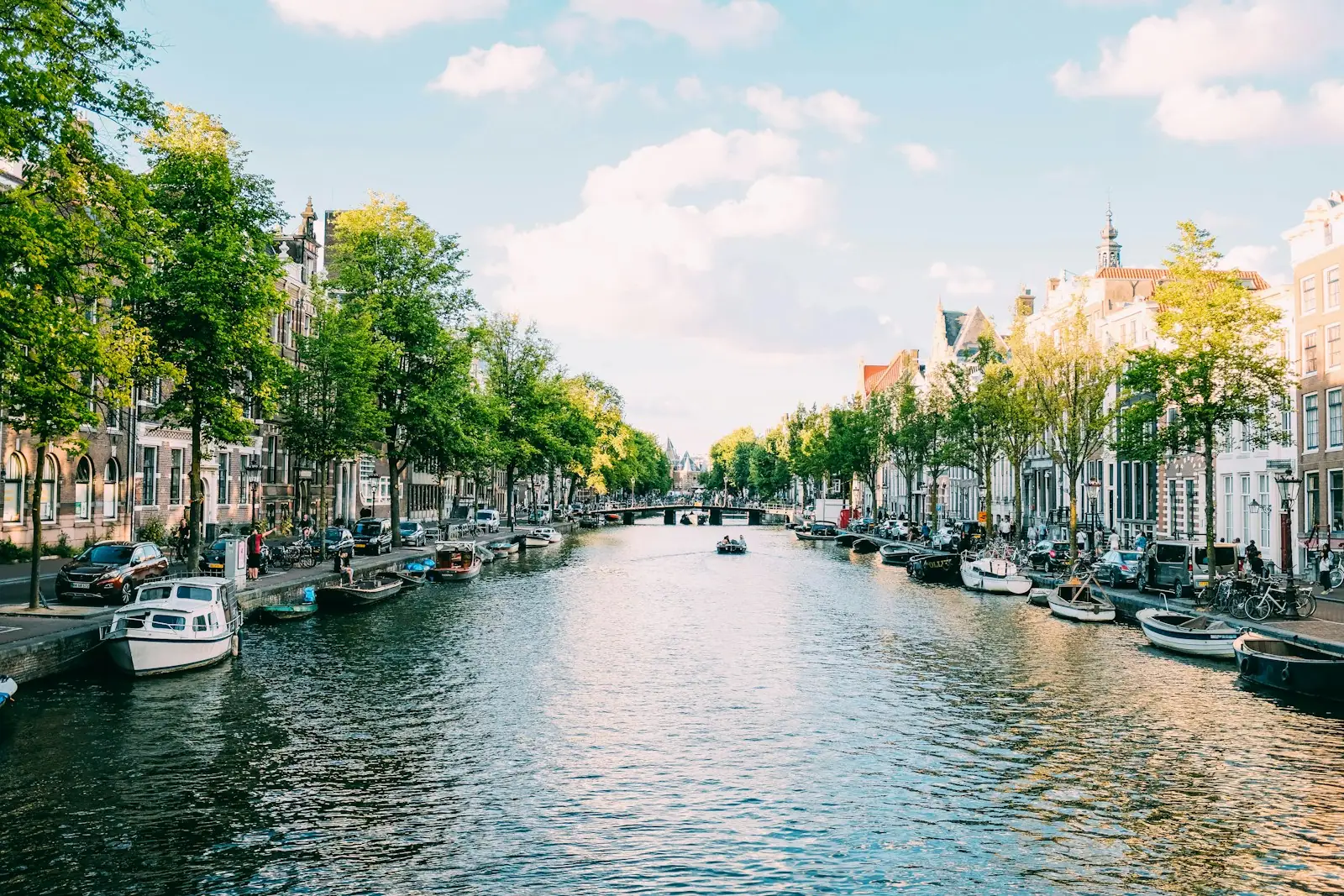
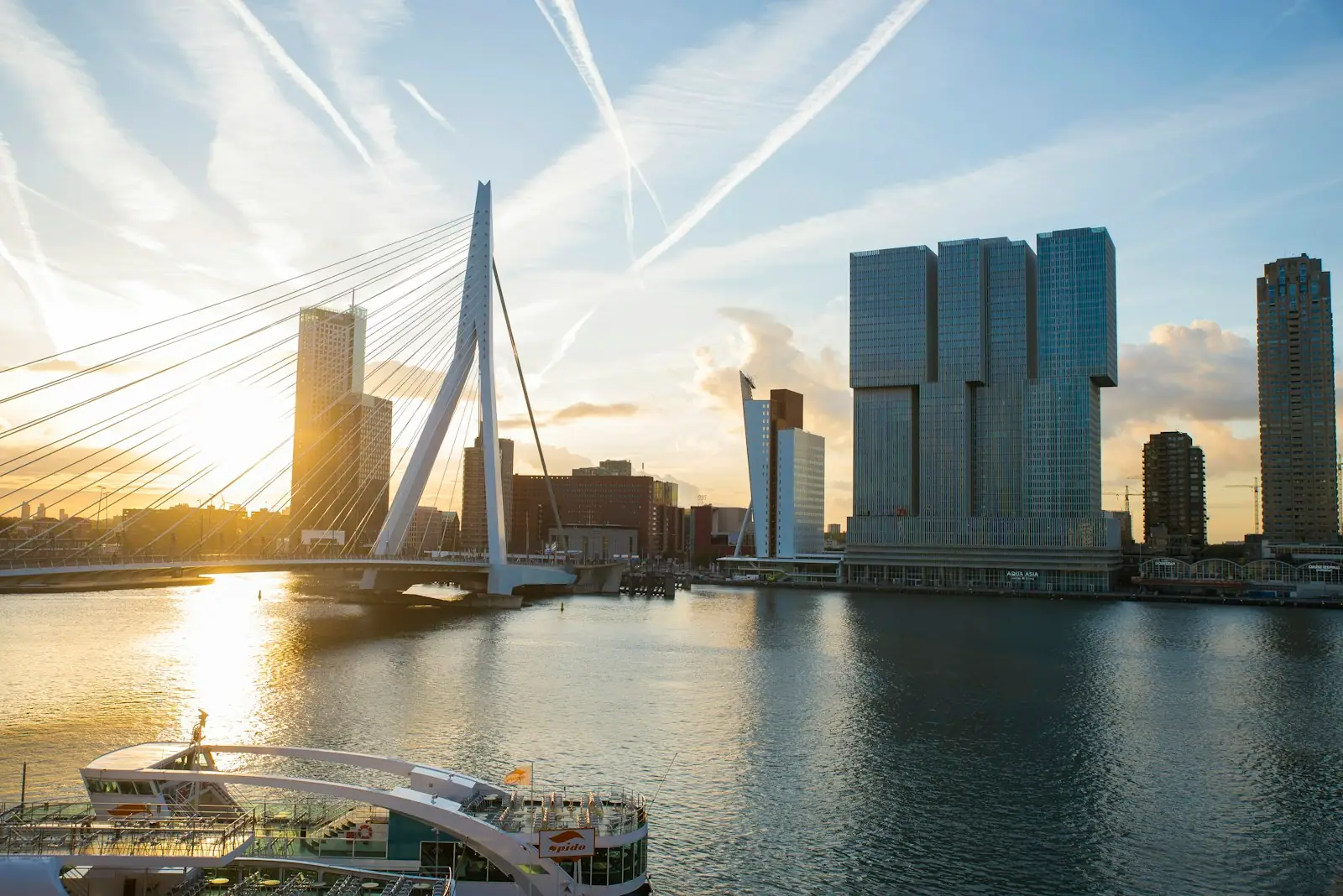
In busy dining cities like Amsterdam, Rotterdam and Maastricht, photographers who work in hospitality know to come before the lunch service starts.
What’s included
- A pre-shoot call to agree dishes, schedule and style
- Dish photography at a window table with natural light
- Interior, exterior and bar photography
- Professional editing and colour correction
- Delivery in formats for web, Google and social media
- Business usage rights as agreed in the quote
Optional extras
Food stylist
For menus, cookbooks and campaigns where every plate must be perfect.
Service atmosphere
An extra hour during a real service, with guests informed.
Short video clips
Vertical clips of plating and pouring for Reels and TikTok.
Team portraits
Individual portraits of the chef and staff for the website.
Durations and what you receive
| Session | Edited photos |
|---|---|
| 2 hours | 20–35 edited images (8–12 dishes + interior) |
| 3 hours | 35–55 edited images |
| Half day (4–5 hours) | 50–90 edited images |
Starting prices are indicative. Your final quote depends on the photographer, duration, location, number of people, date and specific requirements.
Who books this
- Restaurants launching a new menu or opening
- Cafés, bars and bakeries updating Google and social media
- Hospitality groups needing consistent images across locations
- Chefs building a portfolio or cookbook proposal
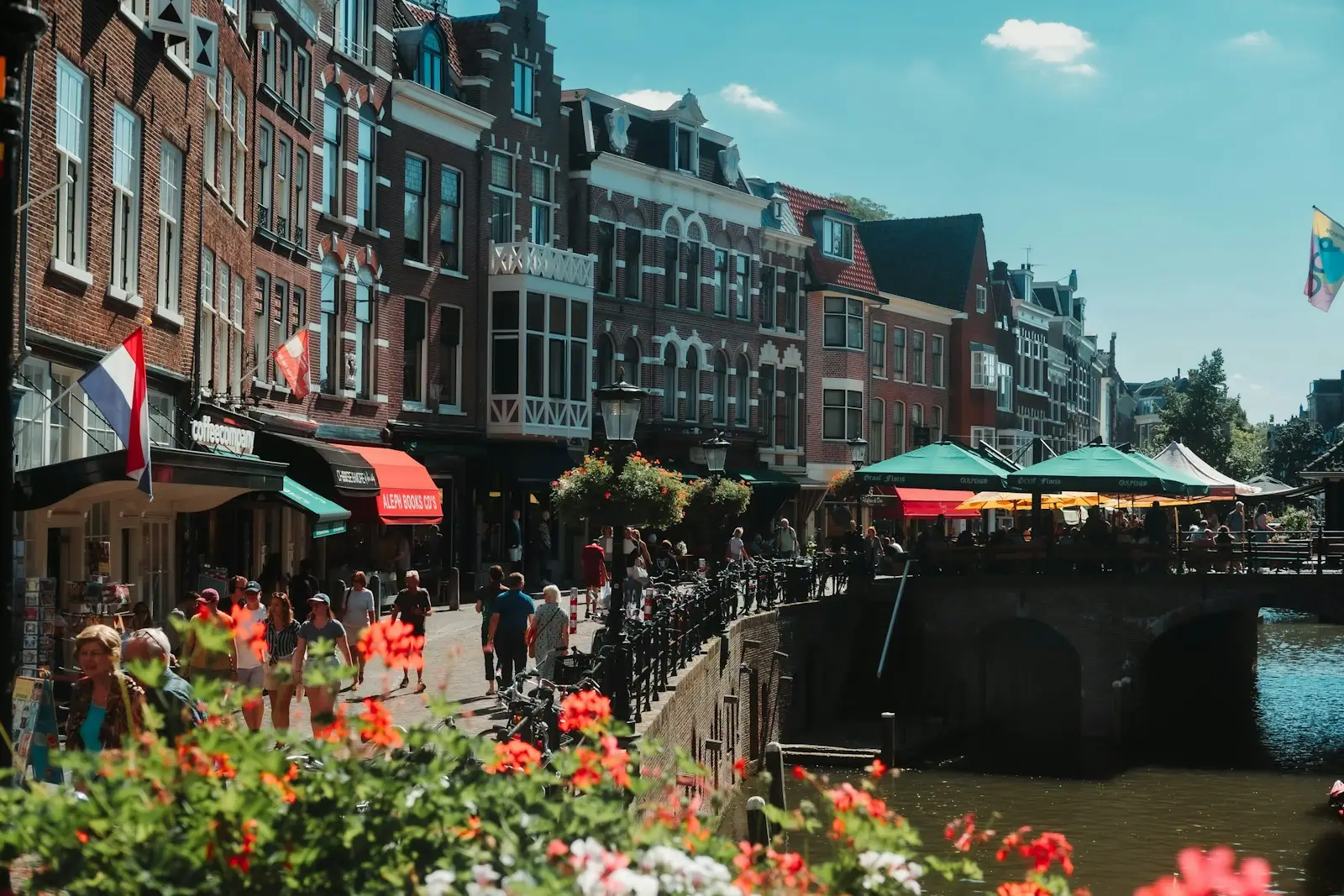
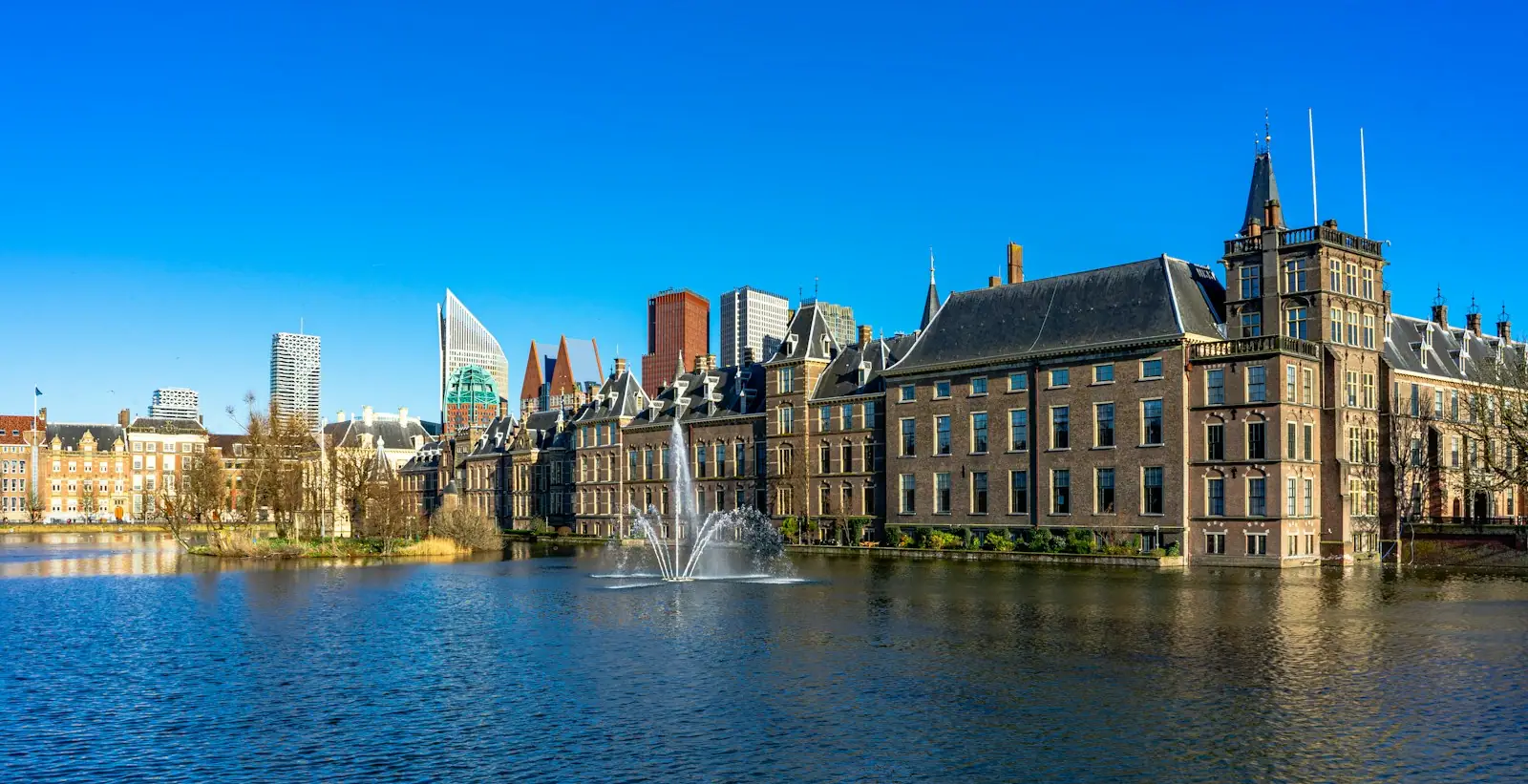
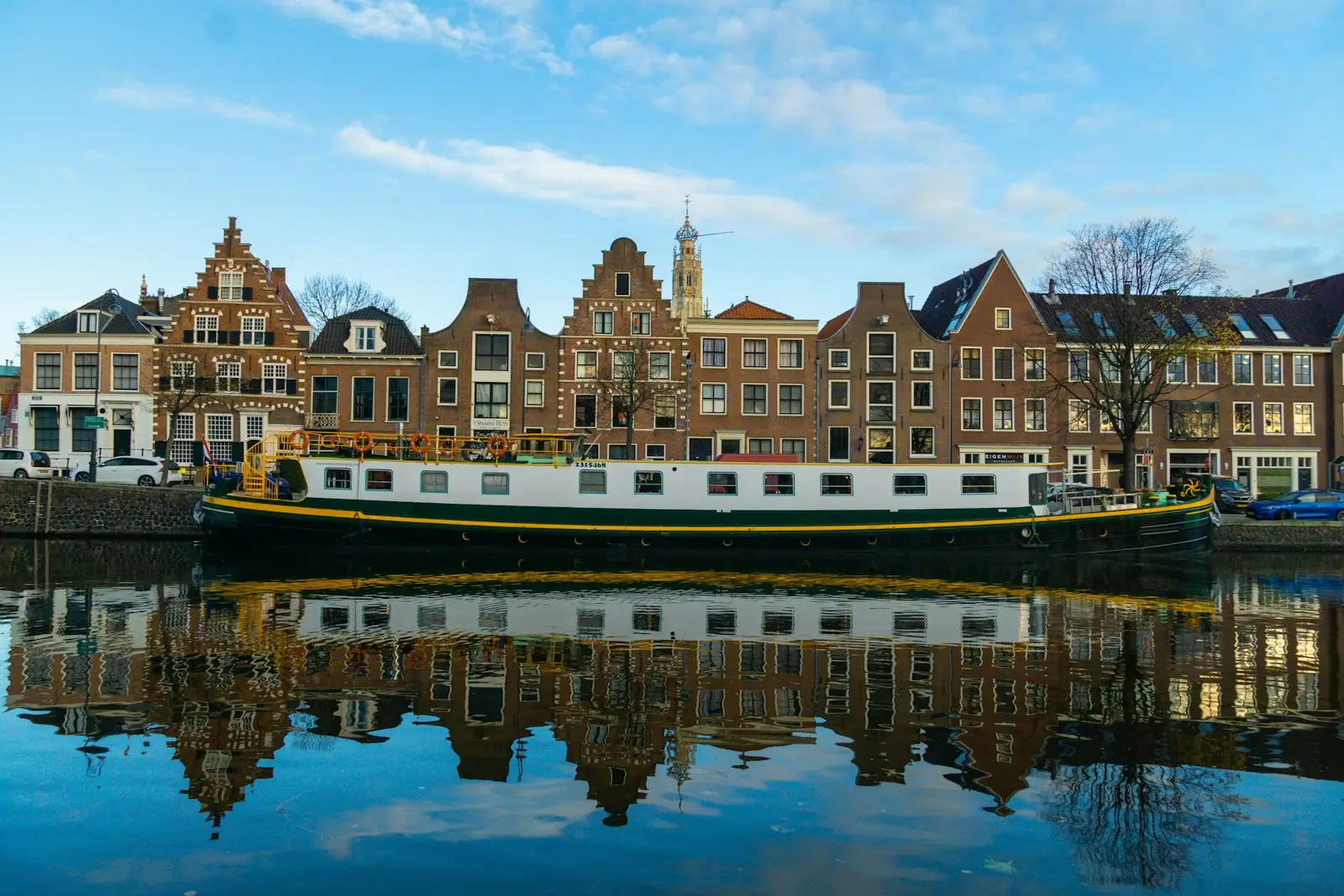
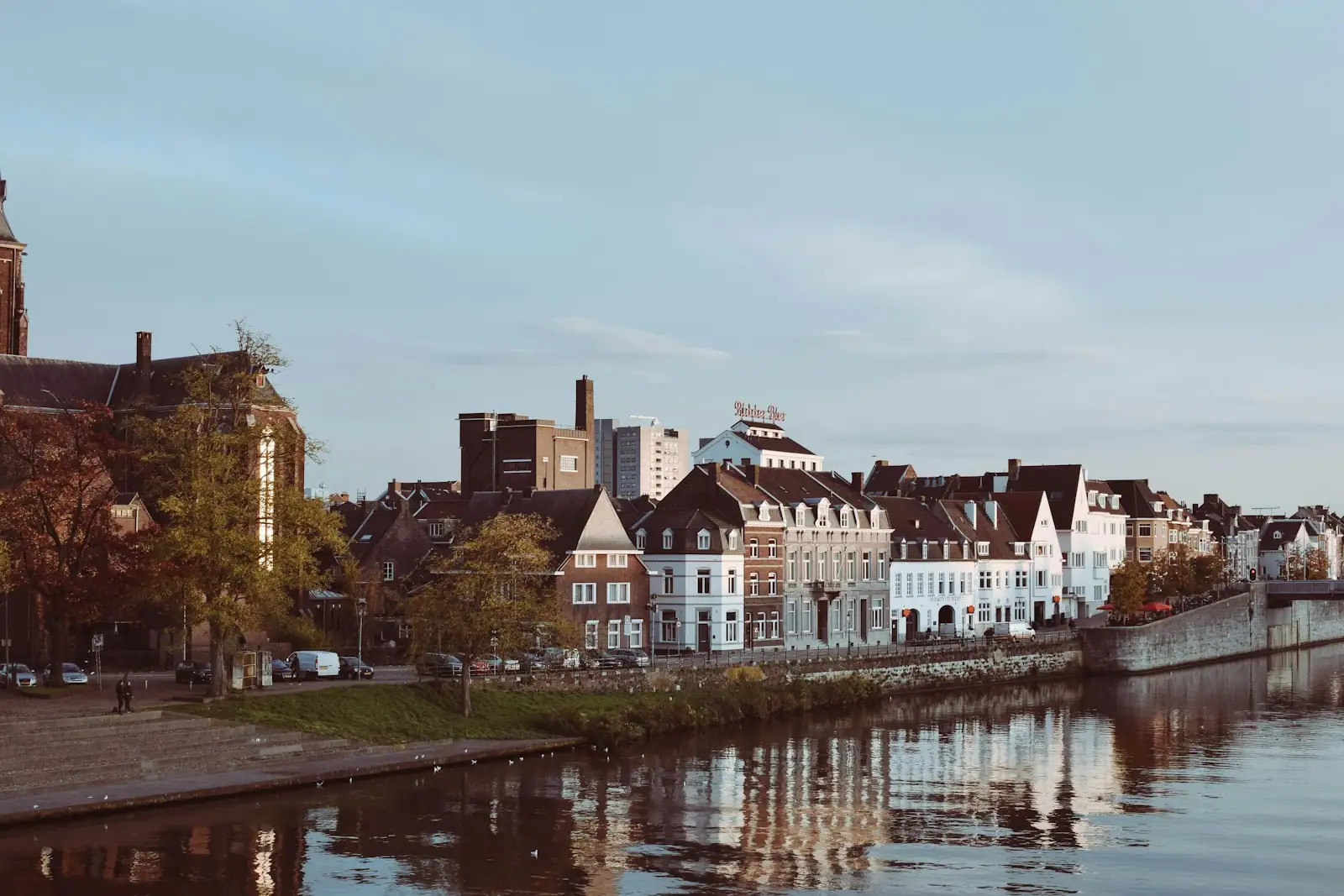
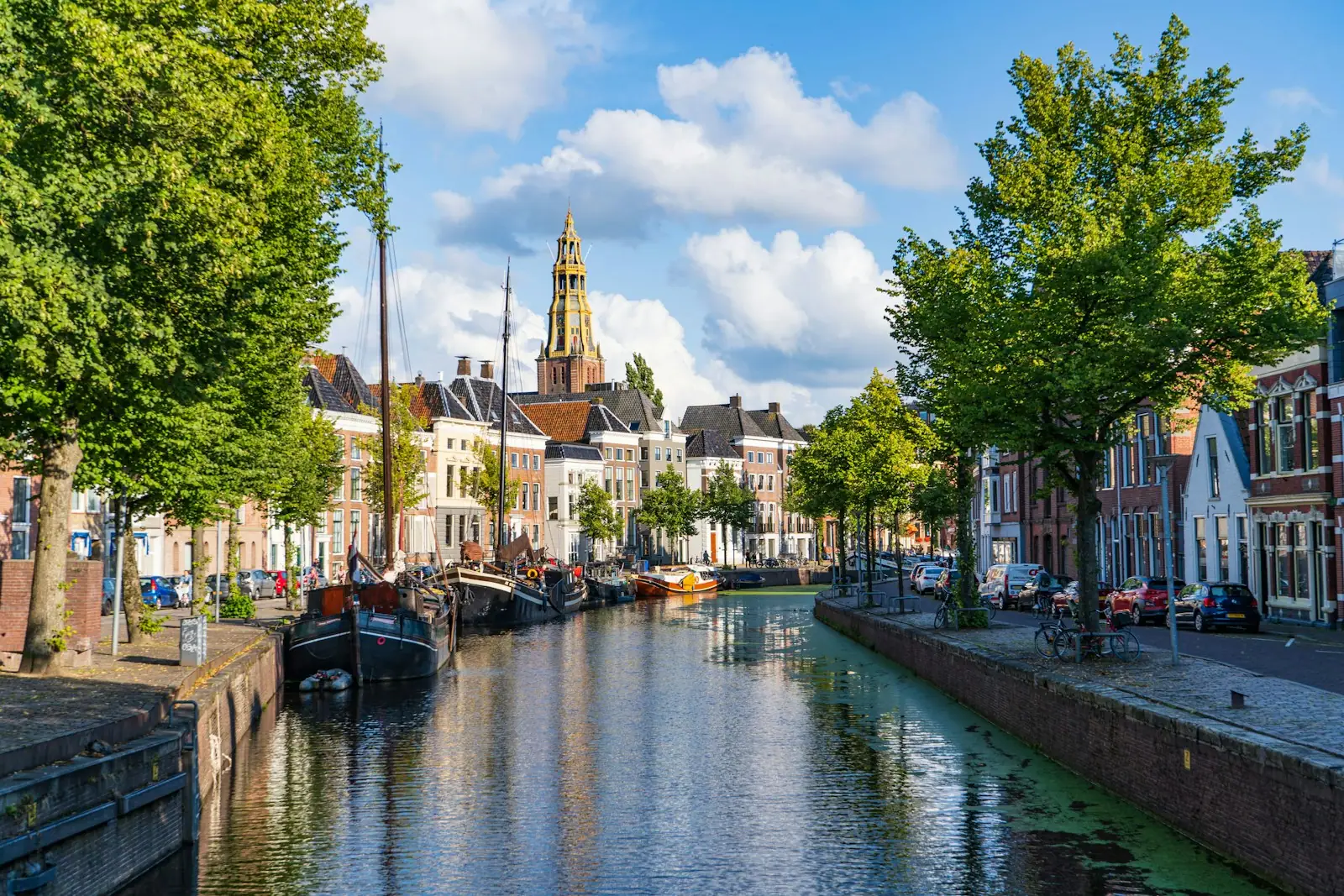
Restaurant Photography by city
Restaurant Photography: questions
How much does restaurant photography cost?
From €250 on TulipFrame for a short session. The quote depends on the number of dishes, duration, styling and video.
When is the best time to photograph a restaurant?
Usually the hours before service, with daylight from a window. In winter, shoot around midday or have the photographer bring lights.
How many dishes can you photograph in two hours?
Typically eight to twelve dishes plus some interior shots, if the kitchen plates one every 8–10 minutes.
Can you photograph during service?
Yes. Guests should be informed, and recognisable guests need consent for marketing use.
Do we need a food stylist?
Not always. For social media, your chef plating carefully is often enough. For menus and campaigns, a stylist is worth considering.